
One Medical
1Life Healthcare, Inc.Medical
3.41.01K Reviews
- Version
- 4.136.0
- Installs
- 500.00K
- Age Rating
- Everyone
Screenshots
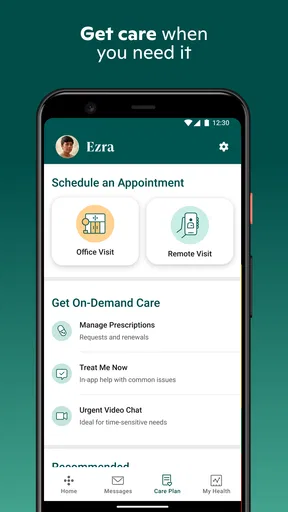
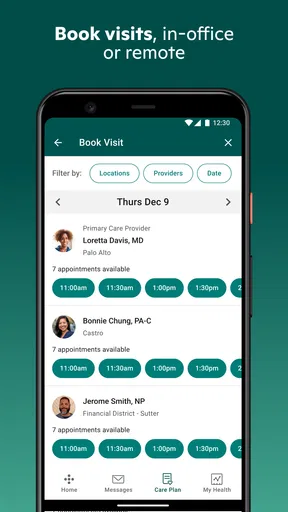
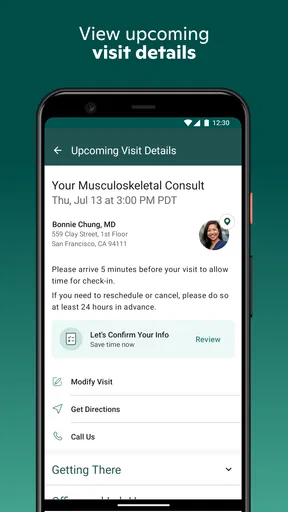
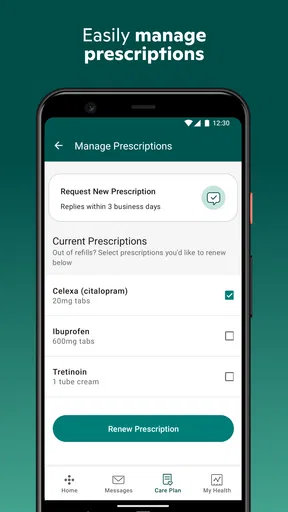
Our Review of One Medical
 Analysis by Appyee
Healthcare apps are easy to appreciate during a stressful moment and much harder to judge after the first week. I approached One Medical with that in mind: not just whether it can make contacting a care team feel simpler, but whether it deserves a regular place on my phone once the initial convenience wears off. Developed by 1Life Healthcare, Inc., this free medical app is designed to help people arrange care for both physical and mental health needs. My overall impression is that it is most useful when you already want a more organized way to interact with care, rather than when you are looking for a replacement for every healthcare service.
The app has been available since March 27, 2013, and its current version is 4.126.0. That long presence gives it a more established feel than a brand-new health utility, although its average rating of 3.1 from around 2.2 thousand ratings shows that the experience is not equally smooth for everyone. It has passed half a million installs, which suggests that plenty of people find a reason to keep it available. I would describe it as a practical access point rather than a medical encyclopedia, emergency tool, or self-diagnosis system.
How One Medical Holds Up Beyond the First Week
I find that the more useful test comes after the novelty fades: whether the app remains easy to return to when I have not opened it for a while. In this section, I look at the small choices that can make repeat use feel manageable, from keeping health details current to preparing a clear question before reaching out. Those habits also reveal where a digital care channel helps—and where another route may serve you better.
The first-week appeal is convenience, not novelty
My first impression of the app is that its value comes from reducing small obstacles. When I need care, the difficult part is often not understanding that I should contact a professional. It is remembering where to go, what information to prepare, and how to start the conversation without turning the process into a separate project. A dedicated healthcare app can gather that starting point into one place, which is especially helpful when I am tired, worried, or dealing with an issue that is uncomfortable to explain.
The focus on both body and mind is important. Many health tools concentrate on appointments, symptoms, or general wellness, while mental healthcare is treated as an afterthought. One Medical presents those needs within the same care-oriented experience. I would not treat that as proof that every concern can be handled equally well through the app, but it does make the product more relevant to the way real health decisions work. Physical symptoms, stress, sleep problems, and emotional concerns often overlap, and it is useful not to have to think of them as completely separate categories before asking for help.
A realistic everyday scenario is a busy weekday when I notice a recurring issue but do not believe it requires emergency attention. Instead of waiting until the problem becomes more disruptive, I can use the app as the first step toward care. The practical benefit is not that the phone suddenly solves the medical question. The benefit is that it can make acting on the question feel less intimidating. That distinction matters: the app supports access and communication, while a qualified clinician remains responsible for assessment and treatment.
During an initial setup, I would keep my expectations modest and pay attention to how clearly the app guides me through the next action. Medical applications are less forgiving than ordinary lifestyle apps because a confusing screen can create hesitation at exactly the wrong time. I would also make sure my contact details and health information are entered carefully rather than rushing through the process. A small mistake in a healthcare profile can create more friction later than it saves during setup.
What it is good at when a health question appears
The strongest use case is planned or non-emergency care that benefits from a clear digital starting point. If I want to reach care for a concern, organize a follow-up, or think through a mental health need, the app can be more convenient than searching through old messages, calling different numbers, or trying to remember a separate web portal. That convenience becomes more valuable when I use the same service repeatedly, because I am not rebuilding my routine each time.
There is also a psychological advantage to having a recognizable place for care-related tasks. I am more likely to follow through when the next step is visible and familiar. This is one of the app's less obvious strengths: it can reduce the mental load around initiating care even when it cannot reduce the seriousness of the underlying issue. For someone who tends to postpone appointments or avoids making a call, that lower barrier may be more important than a long list of extra functions.
However, I would not open it during a medical emergency or use it to decide whether a dangerous symptom can wait. A mobile interface is not a substitute for urgent services, an emergency department, or immediate professional attention. The app makes the most sense for situations where there is enough time to use a digital route responsibly. That boundary is not a flaw unique to this product; it is a basic limitation of healthcare apps, and users should keep it in mind before relying on any of them.
Month-to-month value depends on repeated care needs
After the first week, the question changes from “Is this easier than starting from scratch?” to “Will I still use it next month?” For me, the answer depends on how often I need care and whether One Medical fits my existing healthcare arrangements. Someone managing recurring appointments, follow-up questions, or ongoing mental health needs may find lasting value in a consistent digital entry point. Someone who rarely interacts with healthcare may open it only when a specific problem appears, which is still useful but does not create a daily habit.
This is not a wellness app that needs constant checking. I would not expect to browse it every morning or receive value from opening it without a practical reason. That is actually a positive for people who want a tool that stays quiet until needed. The trade-off is that it can feel less essential than a medication reminder or fitness tracker. Its recurring value is event-based: it earns its place when healthcare becomes relevant, not through continuous engagement.
I think the best long-term workflow is to use it as part of a personal care routine. Before contacting a clinician, I would write down the main symptom or concern, when it started, what makes it better or worse, and any questions I do not want to forget. Then I would use the app to begin the appropriate care interaction. This preparation makes the digital channel more useful and prevents the common problem of reaching out with a vague message, then realizing later that important details were missing.
For mental health concerns, the same preparation can be even more helpful. I would note patterns rather than trying to produce a perfect explanation: changes in mood, sleep, concentration, stress, or daily functioning. The app may provide a route toward care, but the quality of the conversation still depends partly on what I communicate. That is a concrete way to get more value from it without expecting the software itself to perform the work of reflection or diagnosis.
Where it sits beside ordinary healthcare alternatives
Compared with calling a clinic, a healthcare app can feel less disruptive. I can begin the process without waiting on hold or trying to make a phone call while at work. That is a meaningful advantage for people with unpredictable schedules, social anxiety around phone conversations, or limited time during the day. The downside is that digital communication may not answer an urgent question as quickly as a direct conversation, and a screen can never capture every detail of an in-person examination.
Compared with a general symptom-search tool, One Medical has a more responsible purpose. Search engines can offer broad information, but they can also encourage overthinking and self-diagnosis. I prefer using this app when the real goal is to connect with care rather than collect increasingly alarming possibilities. Still, a care-access app is not necessarily the best place for general education. If I want to understand a condition in depth, I would use reliable medical education from an appropriate source alongside professional advice rather than expecting this app to serve as a complete reference library.
Compared with a standalone mental health app, its appeal is that it places mental care within a broader healthcare context. A meditation or mood-tracking app may be better for daily exercises and self-guided routines. One Medical is more appropriate when I want to move from concern toward professional care. That difference helps clarify who should choose it: people looking for an access and communication tool will understand its purpose more quickly than people seeking a large collection of independent wellness activities.
The maintenance burden is low, but preparation still matters
One Medical does not demand the kind of daily maintenance associated with habit-building apps. I do not need to record every meal, check in repeatedly, or keep a streak alive to justify having it installed. That makes it easier to retain over time. I can leave it alone for weeks and still regard it as useful when a healthcare need appears. For a medical app, that quiet reliability is more valuable to me than constant notifications.
There is, however, a different kind of maintenance: keeping my account and personal details accurate. Healthcare information becomes less useful when it is outdated, and I would not assume that an old profile automatically reflects my current situation. Before an important interaction, I would review the information I am about to submit and make sure I can describe current medications, symptoms, allergies, or relevant history accurately when asked. The app can organize the route to care, but it cannot maintain my medical record through guesswork.
Another practical tip is to treat the app as one part of a broader safety plan. I would keep emergency contacts and urgent-care options available separately rather than assuming the app is the answer to every situation. I would also avoid sending sensitive details casually or using a shared device without considering who else may access the account. These habits are not flashy features, but they determine whether a healthcare app remains genuinely useful instead of becoming a source of confusion or privacy anxiety.
Sources of fatigue after the initial convenience
The first source of fatigue is the gap between wanting an answer and receiving appropriate care. Digital access may make the first contact easier, but it does not remove the need to wait, explain, follow instructions, or attend an appointment when one is necessary. If I expect immediate resolution from every interaction, the app will disappoint me. Its job is to streamline the path, not guarantee that every health concern can be settled in one session.
The second is the emotional weight of healthcare itself. Opening an app can be simple, but describing pain, anxiety, or a worrying change in health is not always simple. A polished interface cannot eliminate that discomfort. In fact, the ease of starting a message can sometimes make me underestimate how much context I should provide. I get better results when I slow down, organize my thoughts, and use the app deliberately rather than treating it like a quick search box.
The third is fit. A free download does not automatically mean that the service will be the right practical choice for every reader. People with an established relationship with another clinic may find their current patient portal more useful because it already contains the history and contacts they need. Someone who prefers face-to-face care for every concern may also gain little from adding another digital layer. I would skip One Medical if I had no reason to use its care pathway or if it duplicated a system I already manage comfortably.
The rating of 3.1 is worth considering without treating it as a final verdict. Around 975 written reviews indicate that users have had enough experience to comment in detail, but ratings naturally combine different devices, expectations, healthcare situations, and service experiences. I would read recurring complaints carefully before installing it, especially if I depend on the app for time-sensitive communication. At the same time, a middling average does not erase the possibility that it will fit a person whose main need is straightforward digital access to care.
Who will keep it installed?
I see the best match in people who want a single healthcare-oriented starting point for physical and mental concerns, particularly those who value digital communication and need care often enough for consistency to matter. It may also suit people who delay contacting a clinic because phone calls, scattered information, or unclear next steps create too much friction. For them, the app's lasting contribution is behavioral: it can make taking the first step easier to repeat.
It is less compelling for someone seeking a symptom checker, a detailed medical reference, a daily wellness coach, or an emergency response tool. Those needs call for different products and, in urgent cases, different services entirely. I would also be cautious about relying on it as the only healthcare channel if my situation is complex and requires frequent in-person examination. Digital convenience should complement appropriate care, not replace it simply because an app is easier to open.
My long-term verdict
After the novelty fades, One Medical earns its space mainly through readiness. It is not an app I would open for entertainment or routine browsing, and that is not a criticism. Its value appears when I need to organize a healthcare interaction and want a less cumbersome alternative to starting with a phone call or a scattered set of websites. The inclusion of both physical and mental health makes the purpose broader than a narrow appointment tool, while the free price removes an obvious barrier to trying it.
My recommendation is measured rather than enthusiastic: install it if its care pathway matches the way you want to manage healthcare, then judge it by how reliably it helps you take action when a real need appears. Keep your expectations realistic, prepare information before contacting care, and maintain a separate plan for emergencies. For those conditions, I can see recurring value even without daily use. The app earns a lasting place when it reduces hesitation without encouraging false confidence.
It is available for Everyone and requires an operating system version 10 or later. That makes checking device compatibility a sensible first step before depending on it. Overall, I would recommend One Medical to readers who want a practical digital doorway into care for body and mind, while steering people with urgent symptoms, highly specialized needs, or no connection to its intended care model toward a more suitable option.
Privacy and Permissions
See what permissions an app requests and how it handles your data.
- Location
- approximate location (network-based), precise location (GPS and network-based)
- Phone
- directly call phone numbers
- Camera
- take pictures and videos
- Microphone
- record audio
- Other
- view network connections, full network access, change your audio settings, run at startup, draw over other apps, control vibration, prevent device from sleeping, read Google service configuration
Verdict
Strengths of One Medical
- Easy access to virtual primary care from your phone.
- Appointments can often be scheduled quickly through the app.
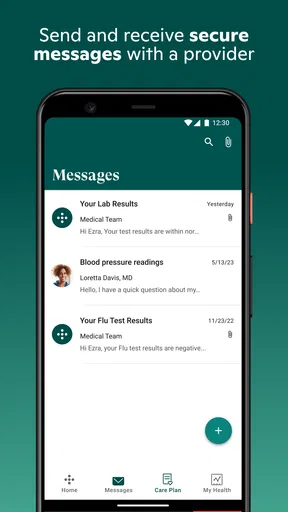
- Secure messaging makes it simple to contact your care team.
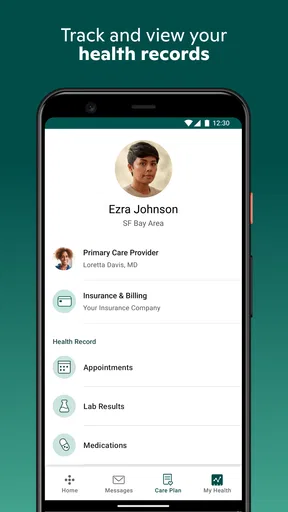
- Health records, prescriptions, and visit details are organized in one place.
- Useful reminders help users stay on top of appointments and medications.
Limitations of One Medical
- Membership fees may apply in addition to insurance-related costs.
- Availability of doctors and services varies by location.
- Some issues still require an in-person appointment or urgent care.
- Prescription services may be limited by medication and local regulations.
- The app is less useful for people without access to One Medical clinics.
Similar Picks in This Category
View All
WebMD: Symptom Checker
WebMD, LLC4.1

Microphone Amplifier
DOSA Apps4.2

Anatomy Learning - 3D Anatomy
3D Medical OU4.5

Period Tracker and Calendar
SimpleInnovation4.9

GoodRx: Prescription Coupons
GoodRx4.8

CVS Health
CVS Pharmacy4.5
Frequently Asked Questions
What is One Medical, and what can I use the app for?
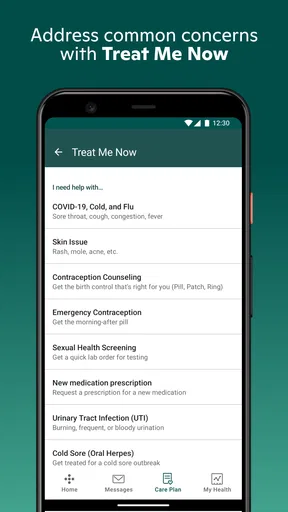
One Medical is a healthcare service and mobile app that helps eligible members manage primary care from a phone or tablet. Depending on your membership, location, and care needs, you may be able to schedule appointments, request virtual visits, message your care team, review parts of your medical information, manage prescriptions, and find nearby One Medical offices. Available features can vary by plan and region.
Do I need a One Medical membership to use the app?
Most of One Medical’s primary care services require an active membership, and some features may only be available after your account has been verified. The app itself may be downloadable without completing membership enrollment, but access to appointments, messaging, medical records, and other tools can depend on your employer, insurance arrangement, location, and the type of care you are requesting. Check current eligibility and pricing before signing up.
Can I use One Medical for urgent issues or emergencies?
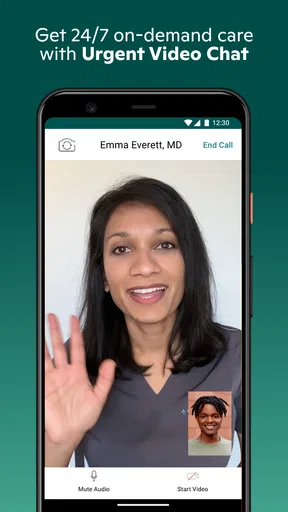
One Medical can be useful for many routine primary-care concerns and certain time-sensitive issues, including virtual consultations when appropriate. However, it should not replace emergency services. If you have severe chest pain, difficulty breathing, signs of a stroke, uncontrolled bleeding, or another potentially life-threatening problem, call emergency services immediately or go to the nearest emergency department instead of waiting for an in-app response or appointment.
Can I schedule appointments and communicate with a doctor through One Medical?
Yes, the app is designed to make common primary-care tasks easier, including searching for available appointments, choosing an office or virtual visit when offered, and contacting your care team through secure messaging. In my review, the convenience depends on provider availability and the reason for care. Some problems may require an in-person examination, and message response times are not intended for emergencies.
Is One Medical available on both Android and iPhone, and is my health information secure?
One Medical offers mobile access for supported Android and iOS devices, although exact compatibility can change as operating systems and app versions are updated. The service uses account authentication and secure healthcare communication features to help protect personal information, but users should still use a strong password, enable available security options, and avoid accessing the app on shared or unsecured devices. Review the current privacy policy before using it.
